Case Study
A Corporate Events Company Reconfigures its Model and Prevents Collapse During the Global Crisis
Operational model reengineering and digital transformation to convert a face-to-face operation into a highly profitable B2B virtual experience system.
+30
Organizations adopted the newly deployed remote integration model
-40%
Cost reduction compared to traditional in-person physical events
Context and Challenge
The global lockdown triggered by the public health crisis completely paralyzed the operational model of a company specialized in B2B corporate events and in-person corporate experiences.
The sudden elimination of physical gatherings terminated active contracts, halted commercial pipelines, and stripped away execution capabilities, leaving the business heavily exposed to a total disruption of its core operations.
The urgent challenge was to redefine the value proposition and reconfigure the strategic architecture of the offering before market paralysis could permanently compromise the organization's financial continuity.
Strategic Assessment
Strategic analysis revealed that the underlying corporate need for internal connection and cultural integration remained intact, yet operated within an entirely different paradigm. The crisis simultaneously accelerated three complex organizational pain points: workforce isolation, fragmentation of corporate culture, and an urgent pressure to optimize budgets without decreasing internal engagement levels.
The commercial opportunity did not lie in mechanically transferring physical dynamics onto flat, conventional digital platforms. The real strategic focus demanded the design of a new virtual corporate experience format capable of solving remote integration through a functional, immersive, and operationally high-performing logic.
Architecture and Solutions
Prior to allocating capital into massive technological developments, a commercial validation protocol was structured to secure long-term profitability for the new digital channel.
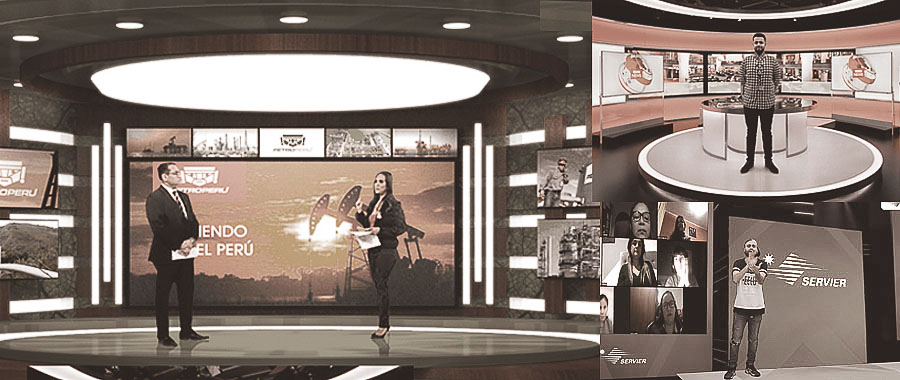
The strategic intervention integrated the design of a core value hypothesis, the production of an MVP focused on rapid market validation, the technical deployment of chroma-key studio technologies combined with interactive virtual environments, and the engineering of narratives specifically structured to counter corporate digital fatigue.
This agile framework successfully reduced the company's fixed overheads and structural burden, prioritizing commercial viability and remote workforce cohesion before scaling into complex operational phases.
Strategic Decisions
The core business resolution was to avoid a passive wait for the return of physical events and to reject competing in improvised, low-value digital solutions. Instead, the organization opted to consolidate a highly specialized niche focused entirely on virtual remote integration experiences.
This new decision architecture enabled the company to:
- · Transform internal logistical capabilities into a natively digital commercial system.
- · Minimize operational fixed overheads and mitigate dependence on physical infrastructure.
- · Validate target market traction through verifiable, real-world demand streams.
- · Develop a highly differentiated value proposition that is difficult to substitute.
- · Open scalable new business lines within corporate training and development formats.
The company shifted its commercial portfolio from a traditional event catalog to a strategic ecosystem for remote workforce integration. By shifting its decision-making variables, the firm not only neutralized the risk of total operational standstill but constructed a highly profitable, scalable business model perfectly aligned with the emerging demands of the B2B landscape.
Business Impact
+30
Corporate organizations successfully adopted the newly engineered remote integration model.
+3k
Corporate employees integrated via high-impact corporate virtual experiences.
-40%
Reduction in initial investment requirements compared to producing traditional in-person events.
-35%
Decrease in operational fixed costs, delivering substantial relief to the overall corporate cost structure.
Successful expansion of the business model into digital training programs and highly scalable online formats.
* Operational resilience and strategic portfolio transformation, effectively turning a systemic industry crisis into the primary catalyst for a natively digital, highly profitable, and high-margin business line.
SDA Takeaway
“In periods of high disruption, the strategic advantage does not belong to those who react faster than the market, but to those who structure decisions capable of validating new opportunities before scaling capital investment and operational complexity.”
Does your current business model rely on market conditions that have already fundamentally shifted?
Let us engineer strategic decisions designed to identify real market opportunities, validate targeted niches, and build sustainable models amidst severe market shifts.